To gain a deep understanding of the Jomsom-Muktinath area, consider exploring the following aspects:
1. Geography and Climate
* Location: Jomsom is in the Mustang region of Nepal, situated in the Kali Gandaki Valley.
* Climate: It has a high-altitude climate, with cold winters and moderate summers, affecting local agriculture and tourism.
2. Cultural Significance
* Muktinath: A sacred site for both Hindus and Buddhists, it is revered for its temples and the 108 water spouts known as "Muktidhara."
* Local Communities: The area is home to diverse ethnic groups, primarily Gurungs and Thakalis, with unique customs and traditions.
3. Trekking Routes
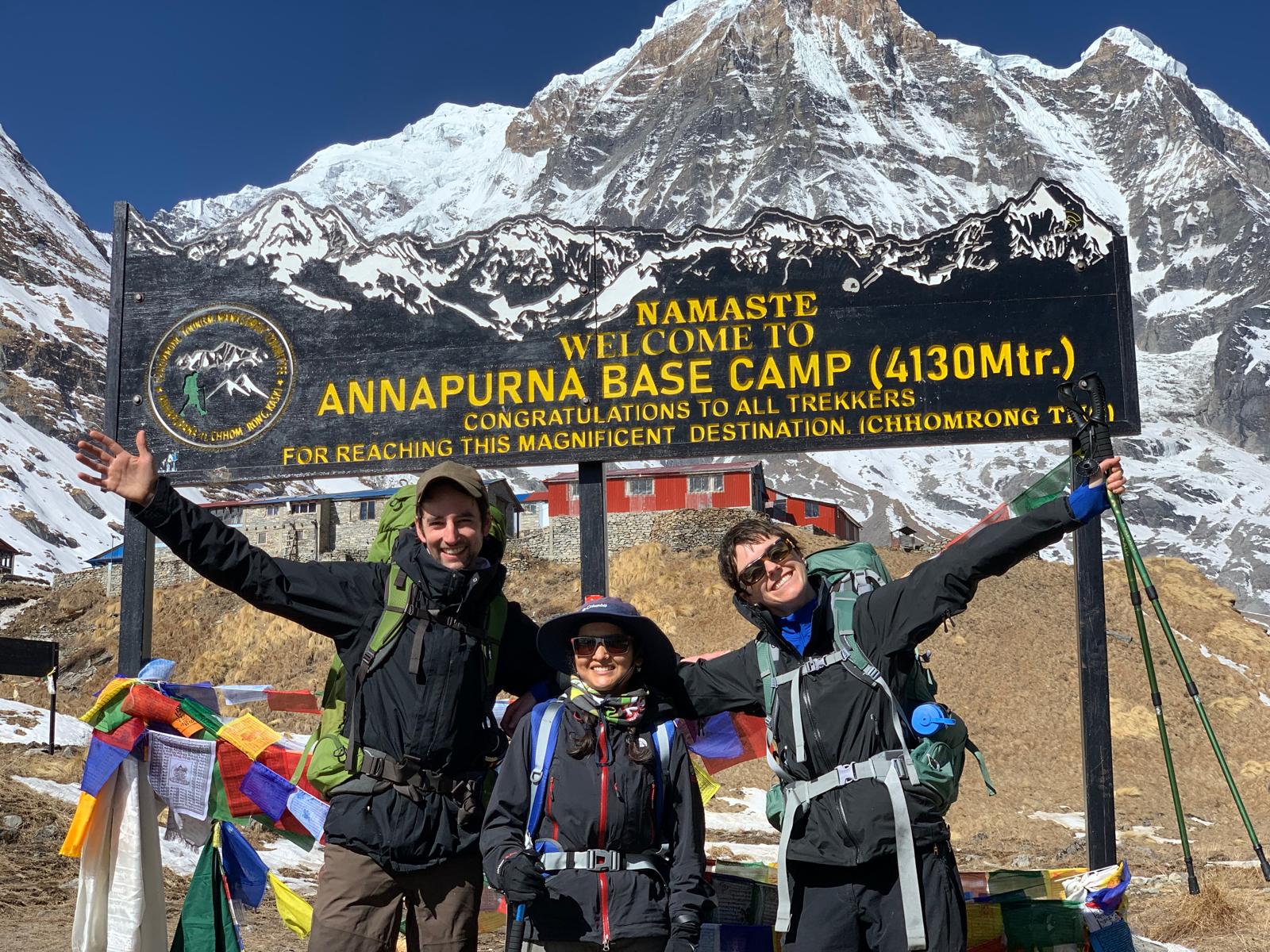
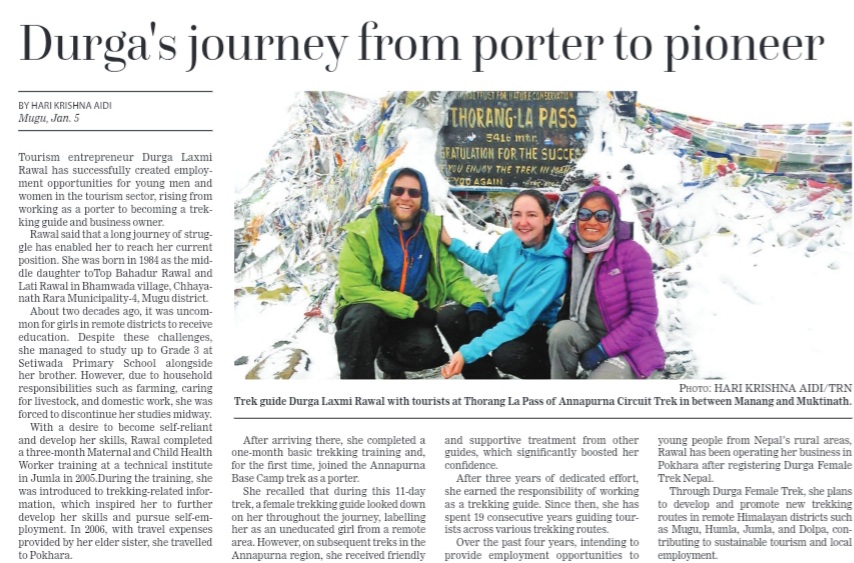
* Annapurna Circuit: Jomsom is a key stop on this popular trekking route, connecting various scenic spots and facilitating access to Muktinath.
* Accessibility: Explore the trekking trails, which offer stunning views of the Annapurna and Dhaulagiri ranges.
4. Flora and Fauna
* Biodiversity: The region features unique ecosystems, with various plant and animal species, including rare flora like rhododendrons and wildlife such as snow leopards.
5. Religious Sites
* Temples: Visit the Vishnu Temple at Muktinath and the surrounding monasteries, which are important pilgrimage sites.
* Festivals: Learn about local festivals, such as the Muktinath Jatra, which draw thousands of pilgrims.
6. Economic Activities
* Tourism: Understand the impact of tourism on the local economy, with trekking, cultural tourism, and pilgrimage contributing significantly.
* Agriculture: The local economy is also supported by agriculture, with unique crops adapted to the harsh climate.
7. Historical Context
* Trade Routes: Historically, the area was a significant trade route between Tibet and Nepal, influencing local culture and economy.
* Heritage Sites: Explore the history of local architecture and ancient monasteries.
8. Travel Tips
* Best Time to Visit: Consider the best seasons for trekking (spring and autumn) to avoid harsh weather.
* Permits: Research necessary permits, like the Annapurna Conservation Area Permit (ACAP).
Resources for Further Exploration
* Books and Guides: Look for travel guides focusing on Nepal and the Annapurna region.
* Documentaries: Watch documentaries or travel vlogs showcasing the culture and landscape.
* Online Forums: Engage in travel forums or blogs to read firsthand accounts from trekkers and pilgrims.
Exploring these topics will provide a comprehensive understanding of the Jomsom-Muktinath area, its significance, and its attractions.