The Panchase Trek is a scenic and culturally rich trekking route in the Annapurna region of Nepal. It offers a blend of natural beauty, local culture, and diverse flora and fauna. Here's an overview of the trek, its cultural elements, and its natural aspects:
1. Trekking Route Overview:
The Panchase Trek is a short and moderate trek that usually lasts 3 to 5 days. It’s an ideal trek for those who want to explore the beauty of the Annapurna region without going on the more challenging Annapurna Circuit or Base Camp trek. The trek begins and ends at Pokhara, a popular tourist destination known for its serene lakes and spectacular mountain views.
The trek takes you through:
* Phedi, a short drive from Pokhara
* Bhumdi, Panchase Bhanjyang (the highest point of the trek)
* Kande, and surrounding villages.
2. Cultural Aspects:
* Ethnic Communities: The Panchase Trek offers an authentic experience of the Gurung and Magar ethnic groups who inhabit the region. These communities practice Buddhism and Hinduism and follow traditional farming lifestyles.
* Religious Sites: Along the trek, you’ll come across local temples and shrines, such as the Panchase Temple, which is dedicated to the five deities worshipped in the region. The Panchase Bhanjyang is a pilgrimage site for locals.
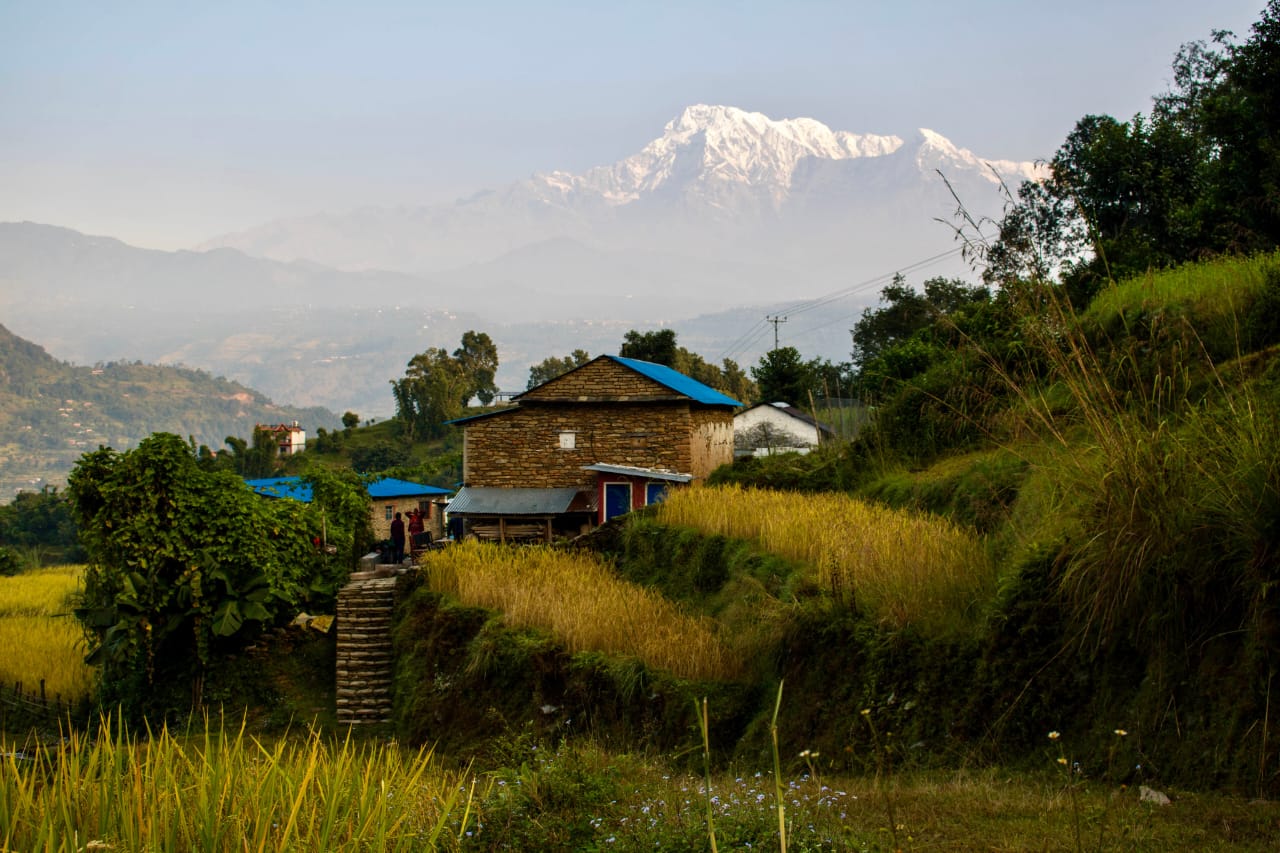
* Village Life: The trek passes through charming traditional villages, where you can observe local architecture, customs, and interactions within the community.
3. Flora and Fauna:
* Flora: The diverse landscape of the Panchase region supports a rich variety of plants:
* Subtropical forests at lower elevations with trees like sal, chilaune, and sissoo.
* Oak and rhododendron forests at higher altitudes.
* In spring, the trek is particularly known for vibrant rhododendron flowers, which bloom in various shades of red, pink, and white.
* Fauna: The region is home to several species of wildlife:
* Birdlife: The area is great for birdwatching, with species like pheasants, parakeets, and monal (Nepal’s national bird) found here.
* Mammals: You may spot animals such as monkeys, leopards, wild boars, and jackals. The region also harbors Himalayan tahr and deer.
* Insects: A variety of butterflies and insects can also be seen, especially in the lower forested areas.
4. Views and Scenery:
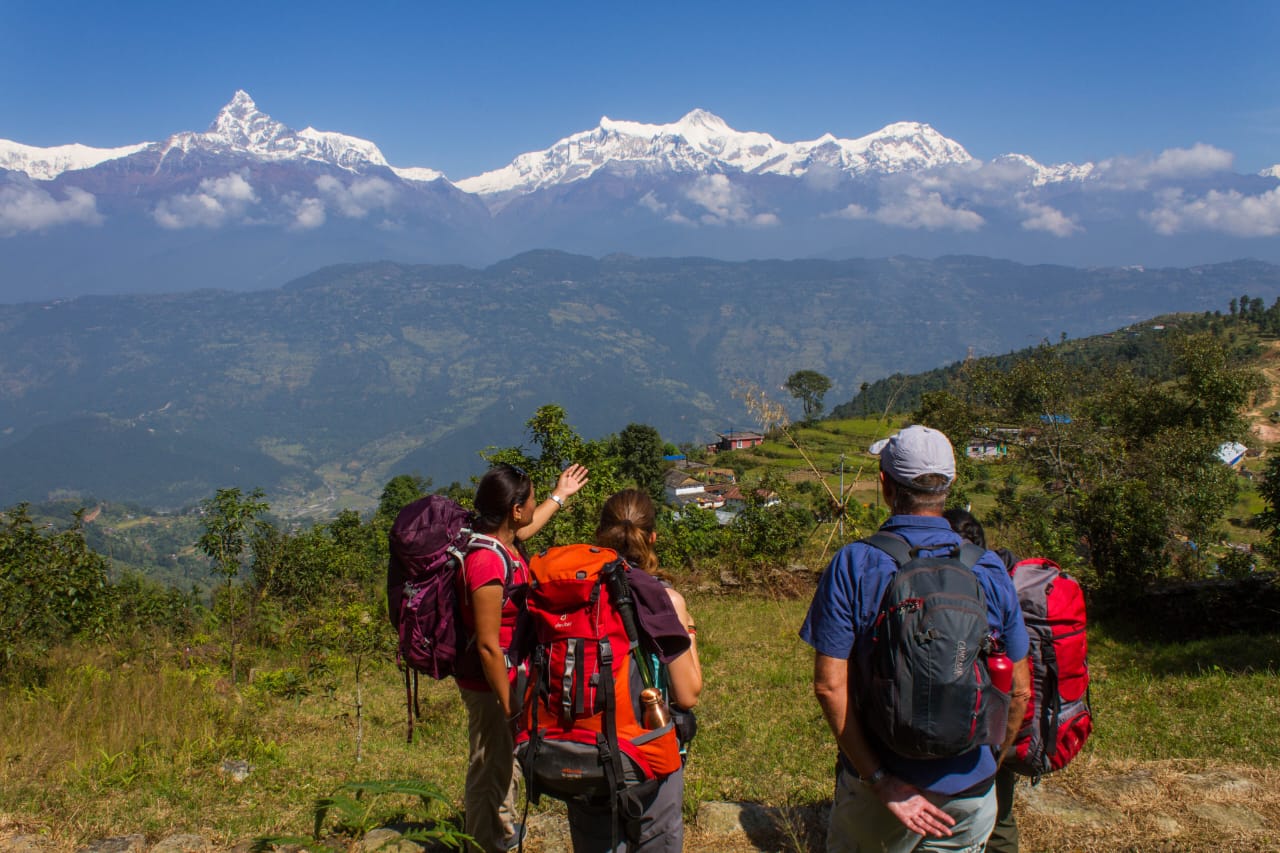
The trek offers stunning panoramic views of the Annapurna Range, including peaks like Annapurna I, Annapurna South, Machapuchare (Fish Tail), and Dhaulagiri. The Panchase Bhanjyang viewpoint is famous for sunrise and sunset vistas, making it a highlight of the trek.
5. Best Time to Trek:
* Spring (March to May) and Autumn (September to November) are the best times for this trek. During spring, you will see the blooming rhododendrons, while autumn offers clear skies and perfect views of the mountains.
Summary:
The Panchase Trek combines cultural experiences with a rich variety of flora and fauna. You’ll trek through ethnic villages, enjoy spectacular mountain views, and immerse yourself in the natural beauty of the region, making it a great option for those looking to experience Nepal’s culture and nature in a relatively short time.