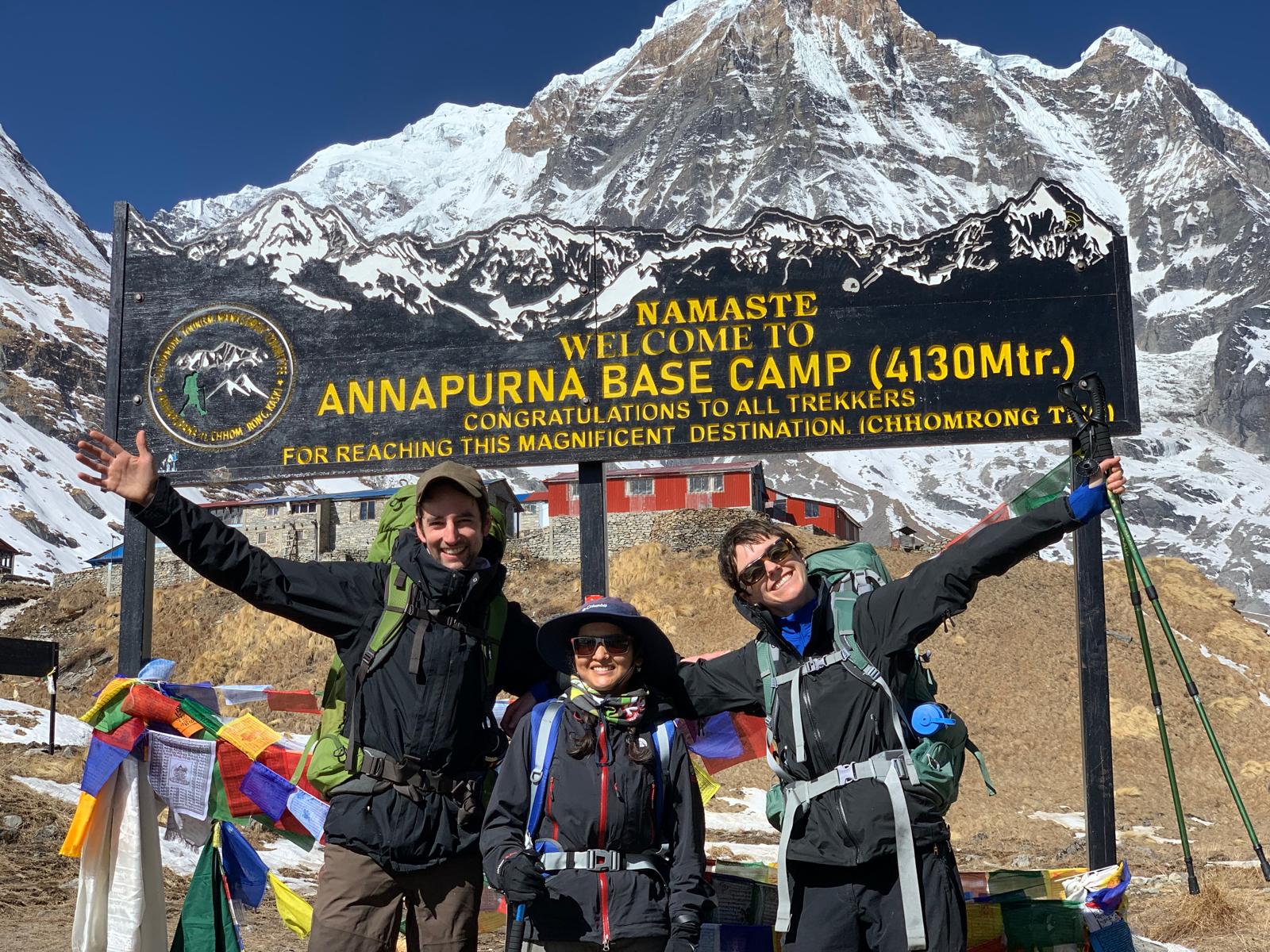

The Annapurna Circuit Trek is one of the most popular and diverse trekking routes in Nepal, offering stunning views, rich cultural experiences, and diverse flora and fauna. Here's an explanation of its various aspects:
Overview of the Annapurna Circuit Trek
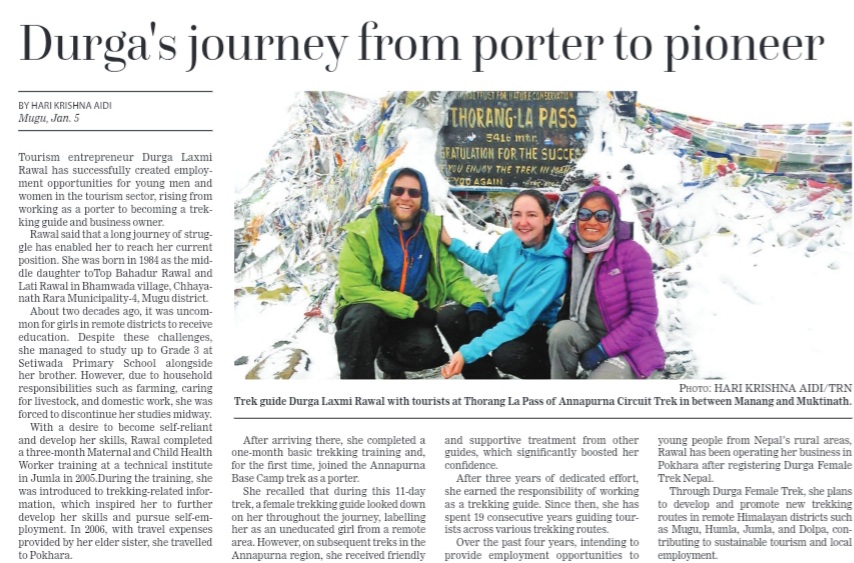
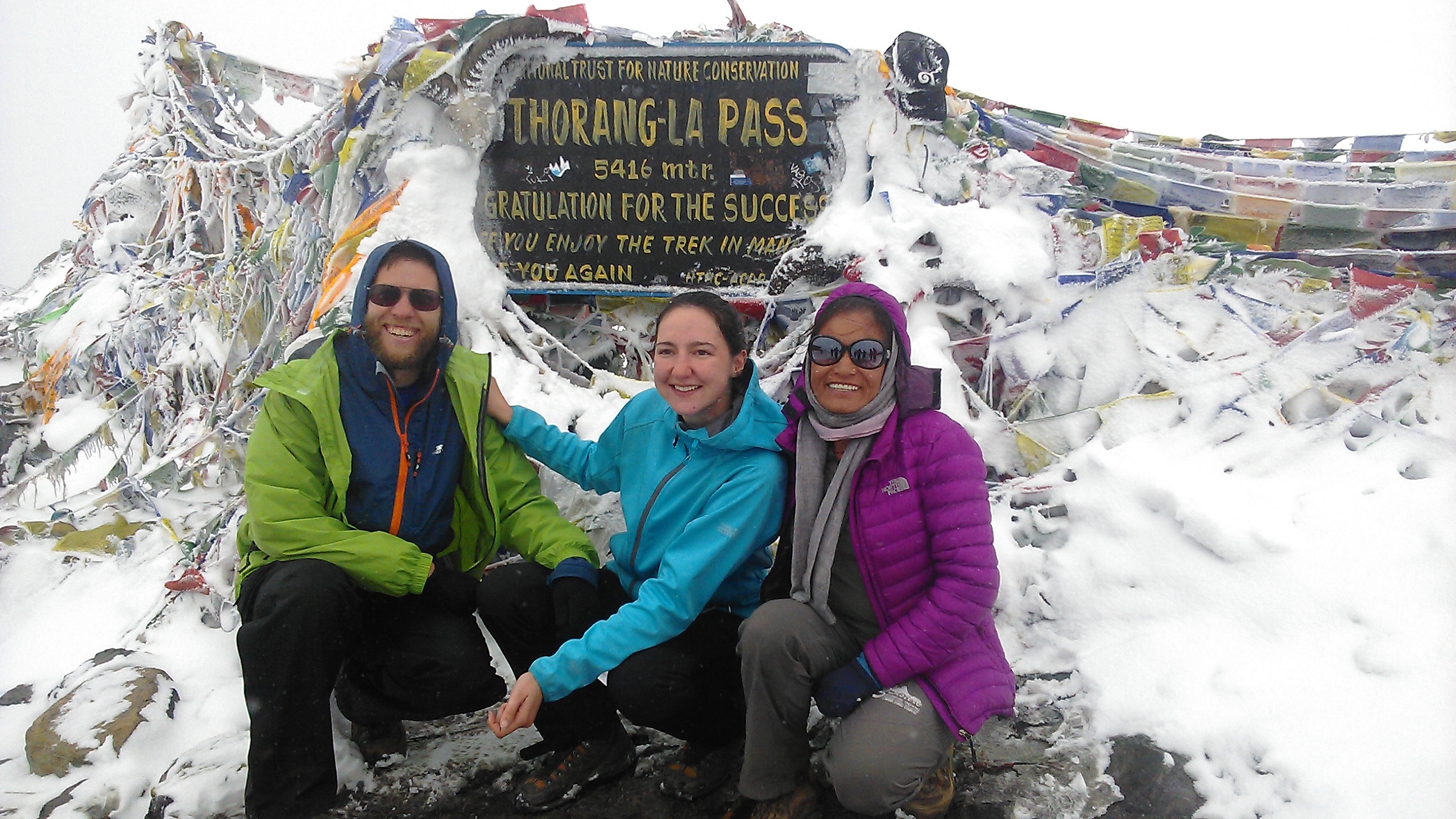
The Annapurna Circuit Trek circles around the Annapurna Massif, passing through diverse landscapes and cultural areas. The trail covers a wide variety of environments, from lush subtropical forests at lower elevations to high-altitude deserts near the Tibetan border. The highest point of the trek is the Thorong La Pass, at 5,416 meters (17,769 feet).
Cultural Experience
The Annapurna Circuit offers a deep dive into the local culture of the regions it traverses. The trek passes through several ethnic villages, each with its own unique culture and traditions.
* Ethnic Groups:
* Gurung: Found primarily in the lower regions, especially around the towns of Besisahar and Chame, the Gurung people are known for their rich culture, hospitality, and traditional practices.
* Manangis: The people in the Manang Valley are of Tibetan origin, and their lifestyle and architecture are heavily influenced by Tibetan culture.
* Thakali: In the Kali Gandaki Valley, the Thakali people are famous for their food and hospitality, and their villages are an excellent place to experience traditional hospitality.
* Tibetan Influence: As you ascend into higher altitudes, you'll see more Tibetan influences, particularly in the monasteries and prayer flags that dot the landscape.
* Religious Sites: The trek passes several monasteries, chortens, and prayer wheels. Ponding Monastery and the Buddhist prayer flags at Thorong La Pass are notable highlights.
* Festivals: If your trek coincides with major Nepalese festivals like Tihar or Dashain, you'll experience vibrant celebrations in the villages along the route.
Flora
The flora on the Annapurna Circuit changes dramatically as you ascend, passing through different climatic zones.
* Lower Altitudes (800m - 2,500m): The lower regions of the trek are characterized by lush tropical forests and subtropical vegetation, including rhododendron forests, oak, and pine trees. Rhododendron forests bloom spectacularly in the spring, adding a splash of color to the landscape.
* Mid-Altitude (2,500m - 3,500m): Higher up, the vegetation changes to temperate forests, with fir, blue pine, and birch trees. This area is also home to vibrant wildflowers in the spring, such as primulas, orchids, and various species of edible mushrooms.
* High Altitudes (3,500m - 5,000m): As you approach the Manang Valley and higher elevations, the vegetation thins out to alpine meadows. You’ll see sparse grasses, shrubs, and moss, along with hardy plants like edible juniper berries.
* Above 5,000m: Above the Thorong La Pass, the landscape becomes largely barren with very little plant life due to the harsh climatic conditions.
Fauna
The Annapurna Circuit also offers a chance to spot a variety of wildlife, although the higher you go, the fewer animals you'll see due to the tough conditions.
* Lower Elevations:
* You can spot animals such as langur monkeys, macaques, wild boar, and civets.
* Birdlife is abundant, with species like the Himalayan griffon vulture, pheasants, and woodpeckers.
* Mid-Elevations:
* As you move higher, you'll encounter Himalayan tahr, blue sheep (bharal), and snow leopards (though rare).
* There are also sightings of black bears and red pandas in the forests around the Manang Valley.
* Birdwatchers might spot golden eagles, lammergeiers, and other raptors.
* High Altitudes:
* Higher up in the Thorong La Pass and the upper Mustang area, wildlife is much rarer. However, yaks, mountain goats, and pikas can be seen grazing in the high meadows.
Ecological Diversity
The Annapurna Circuit’s ecological zones are divided based on altitude:
* Tropical Zone: Characterized by lush forests, rich in biodiversity, especially in the lower region of the circuit.
* Temperate Zone: Mid-level forests of pine and fir trees, giving way to alpine meadows as you climb higher.
* Alpine and Desert Zones: As you ascend above 4,000 meters, the terrain becomes more barren and rocky, with hardy plants adapted to high altitudes.
* High Mountain Zone: Above 5,000 meters, the environment is more extreme, with glaciers, snowfields, and rugged terrain, but very little plant and animal life.
Conclusion
The Annapurna Circuit Trek is a journey that offers a perfect mix of adventure, cultural richness, and natural beauty. Whether you're immersed in the unique cultures of the people you meet along the way, marveling at the spectacular flora, or encountering wildlife in the diverse ecological zones, the trek is a rewarding experience that showcases the full spectrum of Nepal's natural and cultural wealth.