
Is a shorter, scenic trekking route in the region that offers stunning views of Mount Everest and the surrounding peaks, as well as a rich cultural experience and an opportunity to observe the region’s flora and fauna. If you’re specifically looking for a trek that combines panoramic views, culture, and an exploration of flora and fauna, here’s how you can plan and enjoy the experience:
1. Start in Lukla
* Fly into Lukla: Most treks to the Everest region begin with a flight from Kathmandu to Lukla (2,860 m). This is one of the most popular trekking gateways to the Everest region.
2. Trekking Route
* Lukla to Phakding (2,610 m): The trek starts with a descent to the village of Phakding, where you’ll get the first glimpses of the Dudh Koshi River and traditional Sherpa villages.
* Phakding to Namche Bazaar (3,440 m): Continue through beautiful rhododendron forests, passing over several suspension bridges and entering Sagarmatha National Park. As you ascend to Namche, you’ll notice the flora, including rhododendrons, junipers, and alpine plants, and fauna such as Himalayan tahr, musk deer, and various bird species.
3. Acclimatization Day at Namche Bazaar
* Spend a day in Namche to acclimatize and explore the Sherpa culture. Visit the Sherpa Museum, which offers insight into the local culture, history, and the first expeditions to Everest. You’ll also find traditional markets, monasteries, and religious monuments.
* Hike to Everest View Hotel: A short day hike from Namche to the Everest View Hotel offers breathtaking panoramic views of Everest, Lhotse, Nuptse, Ama Dablam, and other surrounding peaks.
4. Trek to Tengboche (3,860 m)
* Trek from Namche to Tengboche, a scenic village known for its famous Tengboche Monastery, one of the most important Buddhist monasteries in the region. The trek offers a combination of breathtaking mountain views and encounters with flora and fauna such as yaks, Himalayan griffons, and the endangered snow leopard.
* Flora: The trek goes through forests of rhododendron, juniper, fir, and birch. During spring, the rhododendrons bloom, creating a vibrant atmosphere.
5. Tengboche to Khumjung (3,790 m)
* After visiting Tengboche, you can trek to the village of Khumjung, which offers a great cultural experience. The village is known for its old monastery and for being home to the Sherpa people. You can also visit the Khumjung Monastery, where the “Yeti scalp” is purportedly kept.
* This area is rich in flora and fauna, especially in the Sagarmatha National Park, home to many endangered species, including the red panda and Himalayan tahr.
6. Return to Lukla
* From Khumjung, you can make your way back down via Namche and Phakding, retracing your steps back to Lukla, where you’ll take a flight back to Kathmandu.
Key Highlights of the Everest Panorama Trek:
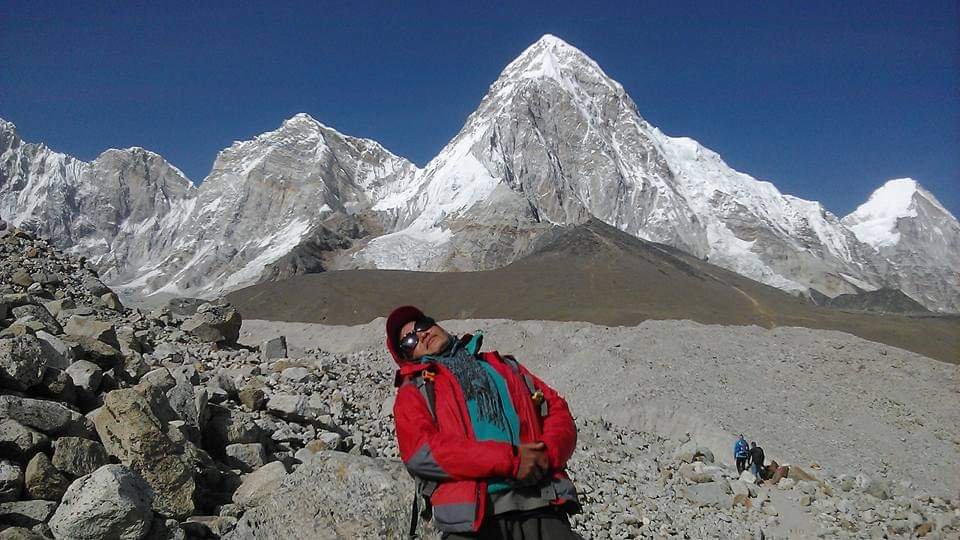
* Panoramic Views of Everest: This trek provides some of the best views of Mount Everest and surrounding peaks like Ama Dablam, Lhotse, and Nuptse.
* Cultural Exposure: Experience the rich Sherpa culture through their monasteries, chortens (Buddhist shrines), and interactions with locals.
* Flora: Rhododendron forests, alpine flowers, and shrubs are common in the lower regions. As you ascend, you’ll find alpine plants adapted to higher altitudes.
* Fauna: The region is home to diverse wildlife, including Himalayan tahr, red pandas, yaks, musk deer, and numerous bird species like the Himalayan griffon and pheasants.
* Sagarmatha National Park: A UNESCO World Heritage site, this park offers incredible biodiversity and is one of the highlights of the trek.
Best Time to Go:
* Spring (March to May): Ideal for blooming rhododendrons, clear views, and moderate temperatures.
* Autumn (September to November): Perfect for clear skies, stable weather, and a good chance to witness the local culture during the festival season (like Dashain and Tihar).
Additional Considerations:
* Guides and Porters: Hiring a guide is highly recommended for cultural insights, and a porter can help with carrying your luggage, which makes the trek easier.
* Physical Preparation: While it’s a moderate trek, the altitude can be challenging. Be prepared for uphill hikes, and allow time for acclimatization to prevent altitude sickness.
By following this route, you’ll be able to experience a balanced mix of Everest’s panoramic views, the Sherpa culture, and the unique flora and fauna of the region.