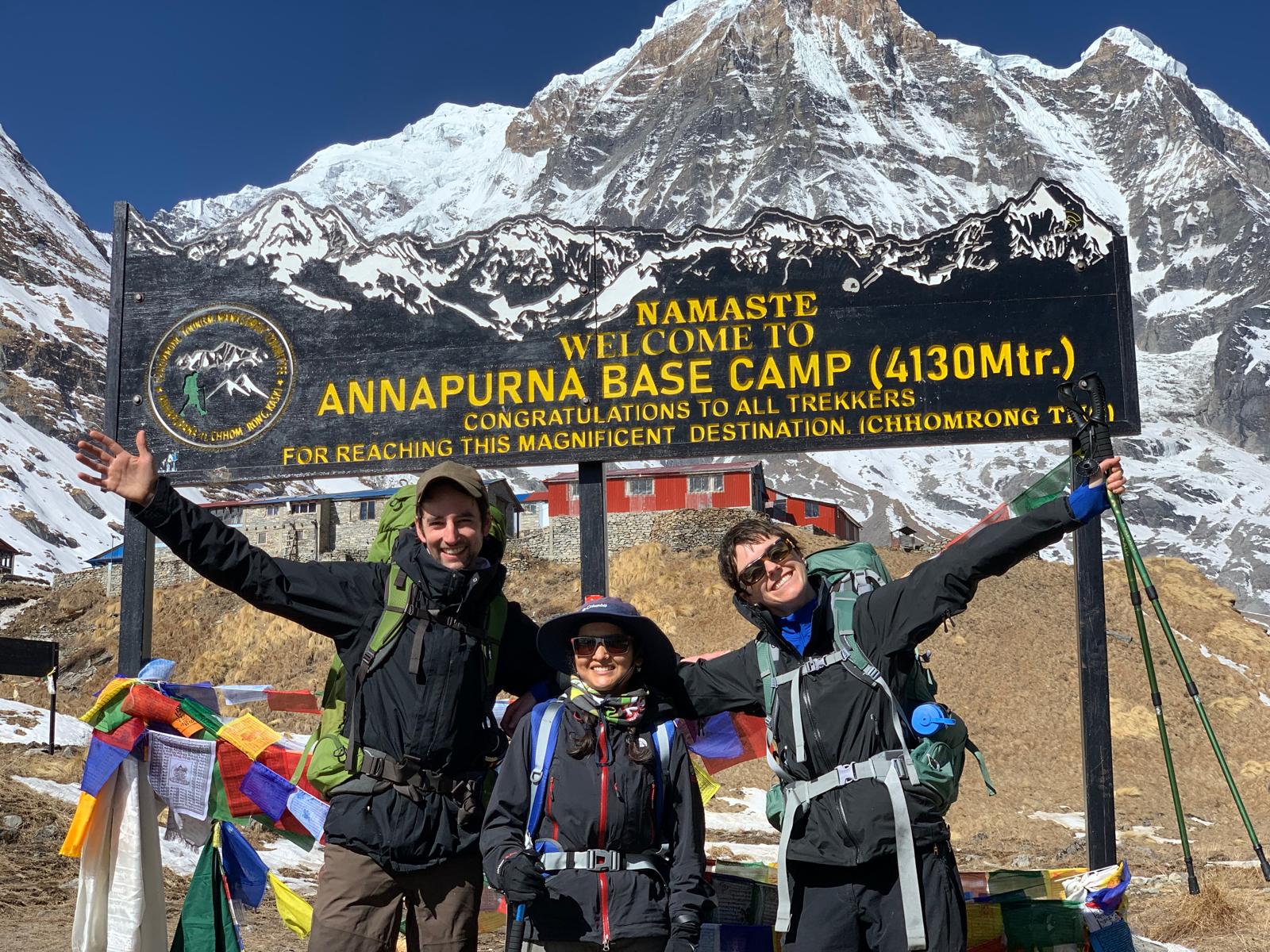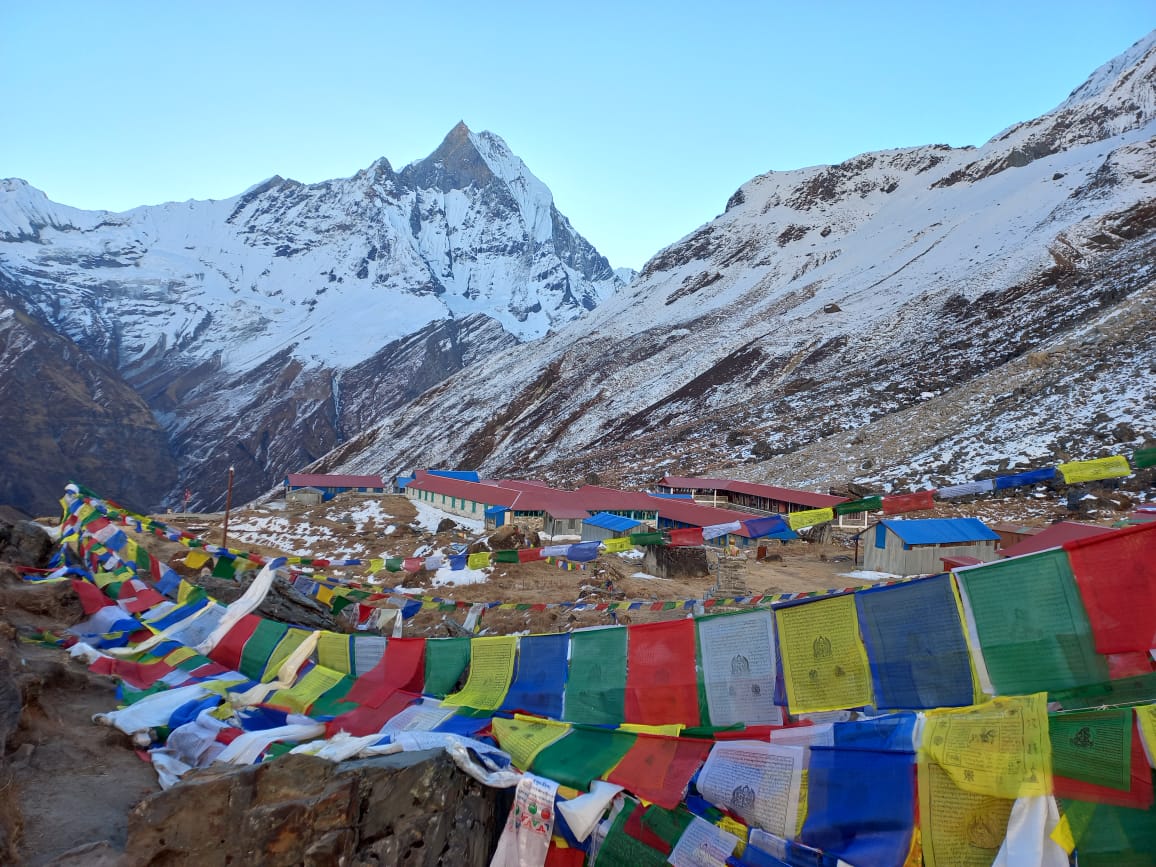

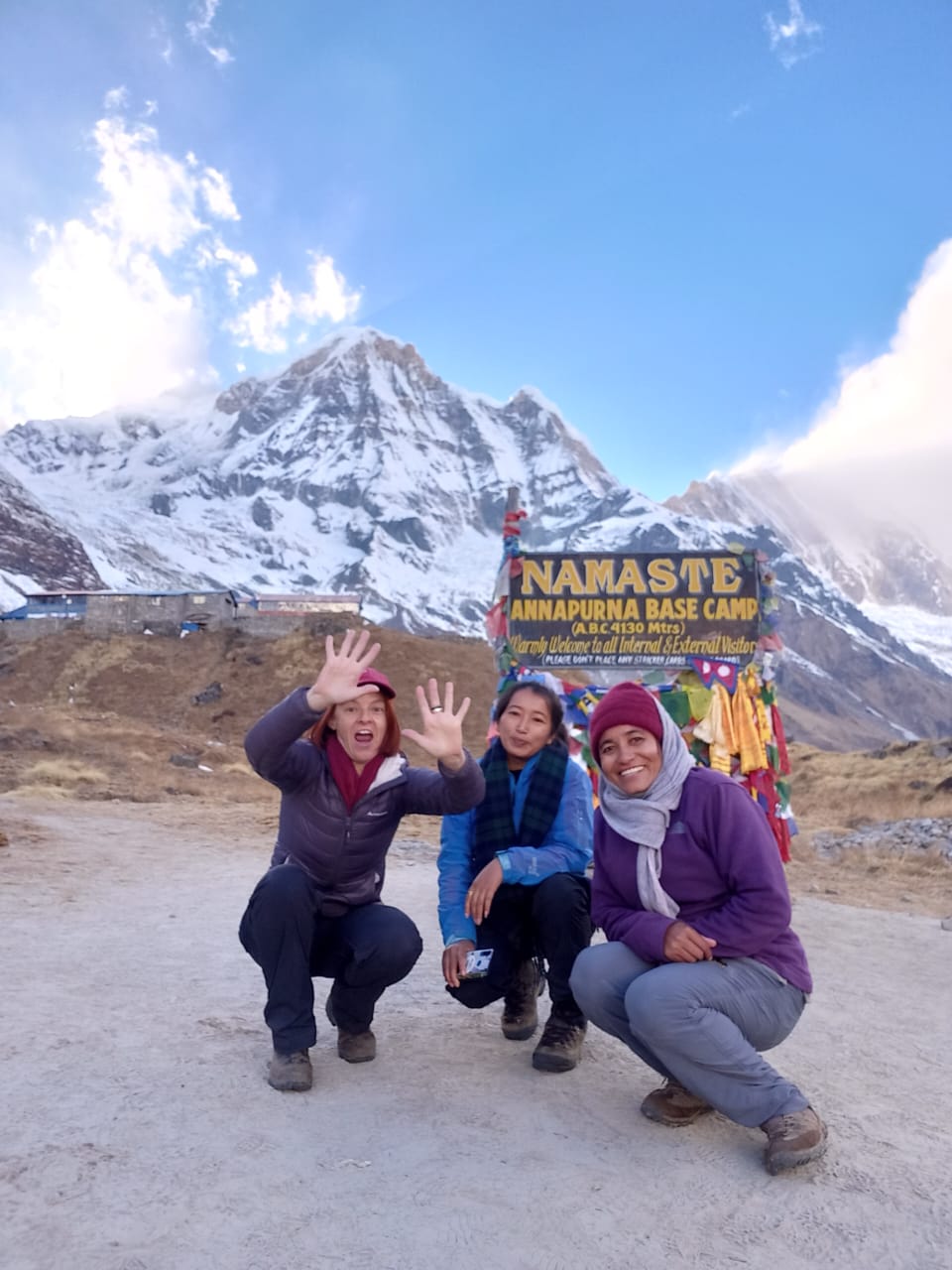
The Annapurna Base Camp (ABC) Trek is a popular trekking route located in the Annapurna region of Nepal. It offers trekkers a chance to experience stunning mountain views, diverse landscapes, and rich cultural experiences. Here's an explanation of the trek, focusing on its culture, flora, and fauna:
1. Overview of Annapurna Base Camp Trek
The trek to Annapurna Base Camp takes you through picturesque villages, lush forests, and high-altitude alpine meadows, ultimately reaching the base camp at 4,130 meters (13,550 feet). The trail showcases the diversity of Nepal’s natural and cultural landscapes. Trekkers typically begin from Pokhara or Nayapul, passing through villages like Ghorepani, Poon Hill, and Bamboo before reaching the base camp.
2. Cultural Aspects
The Annapurna region is home to several ethnic communities, each with its own distinct culture. As you trek, you’ll have the chance to interact with the local people, learn about their traditions, and observe their way of life.
* Ethnic Groups: Major ethnic groups encountered on the trek include the Gurungs, Magars, and Thakalis. These groups have rich traditions and are known for their hospitality.
* Religion: The majority of the people are Hindu, but you will also come across Buddhist monasteries and stupas along the trail. The cultural influence of both religions is evident in the architecture, rituals, and festivals observed in the villages.
* Traditional Villages: The villages along the route, such as Ghorepani, Tadapani, and Chomrong, maintain traditional stone houses, and you can visit local temples, shrines, and monasteries.
3. Flora (Vegetation)
The vegetation on the Annapurna Base Camp Trek changes dramatically as you ascend, offering a variety of plant life. The landscape ranges from subtropical forests at lower altitudes to alpine meadows and snow-covered terrain at the base camp.
* Lower Elevations (1,000 - 2,500 meters): You’ll pass through lush rhododendron forests, which are in full bloom during the spring season (March-May). Other vegetation includes oak, pine, and bamboo forests.
* Mid-Elevations (2,500 - 3,500 meters): At these elevations, the landscape is dotted with alpine meadows and coniferous trees. You may see juniper, fir, and spruce.
* Higher Elevations (Above 3,500 meters): As you approach the base camp, the flora becomes sparse, dominated by mosses, lichens, and alpine plants. At this altitude, you’ll find hardy plants like high-altitude grasses and shrubs that can withstand extreme conditions.
4. Fauna (Wildlife)
The Annapurna region is home to diverse wildlife, although the animals are mostly found at lower and mid-altitudes. The region is part of the Annapurna Conservation Area (ACA), which serves to protect both the environment and wildlife.
* Mammals: You may encounter species such as Himalayan tahr, Ghoral, and langur monkeys. Snow leopards, red pandas, and Himalayan black bears also live in the higher reaches, though sightings are rare due to their elusive nature.
* Birds: The area is a birdwatcher's paradise with species like the Danphe (Himalayan Monal), Nepal's national bird, pheasants, and various species of eagles and vultures. The dense forests and alpine meadows support a wide range of birdlife.
* Insects and Reptiles: At lower altitudes, you'll also encounter various species of insects, butterflies, and reptiles. In the higher altitudes, there are fewer reptiles due to the cold, but you may spot Himalayan vipers and other cold-blooded species.
5. Best Time to Trek
* Autumn (September - November): This is the most popular time for the trek. The weather is clear, with excellent views, and the temperatures are moderate. The flora is vibrant, and wildlife is active.
* Spring (March - May): This is another great season, especially for those interested in rhododendron blooms. Temperatures are mild, and wildlife sightings are common.
6. Challenges of the Trek
* The trek to Annapurna Base Camp can be challenging due to altitude, but it’s accessible for trekkers with moderate fitness levels. Acclimatization is key to avoiding altitude sickness.
* Some areas can be slippery, and weather conditions can change rapidly, so it’s essential to be prepared with the right gear.
Conclusion:
The Annapurna Base Camp Trek offers a wonderful combination of natural beauty, cultural richness, and diverse flora and fauna. Trekking through traditional villages, lush forests, and snow-covered landscapes provides a unique experience, making it one of the most beloved treks in Nepal.